The short answer. Choose aluminium when you want large glass areas, sliding windows and doors, slim modern frames and low upkeep: it does not rust and the finish lasts. Choose steel when strength and security come first, for example outbuildings, rental rooms, store rooms and openings where you want burglar bars built into the frame. Many homes use both: aluminium on living areas and the street front, steel on service areas.
How they differ
Aluminium windows
- Does not rust; powder-coated or anodised finish
- Light, so large sliding and bifold sections are practical
- Slim frames, more glass and light
- Many colours: black, charcoal, bronze, silver, white
- Burglar bars or security gates are fitted separately
Steel windows
- Very strong and rigid for its size
- Burglar bars can be welded into the frame
- Must be primed and painted; rusts where paint fails
- Heavier, so mostly side-hung and fixed panes
- Easy to weld, repair and modify later
Rust and upkeep
Steel rusts when water reaches bare metal: at the bottom rail, around putty or glazing beads, and wherever paint has chipped. Summer storms and sprinklers speed this up. Steel frames need repainting every few years to stay sound. Aluminium forms its own protective layer and comes with a factory finish, so upkeep is mostly cleaning.
Heat and the Botswana sun
Both metals conduct heat. Frames on west- and north-facing walls get hot in the afternoon sun whatever they are made of. The glass makes a bigger difference than the frame: tinted, reflective or laminated glass, roof overhangs and window placement do more for comfort than switching metal. If you want better performance, ask about thermally broken aluminium systems or double glazing, and expect them to cost more.
Dust and sliding tracks
Dust is a fact of life here. Aluminium sliding windows and doors run on tracks, and tracks collect sand. Choose systems with drainage slots in the sill, and vacuum the tracks regularly so rollers do not wear. Side-hung (casement) windows, in steel or aluminium, have no bottom track and seal better against dust when closed.
Security
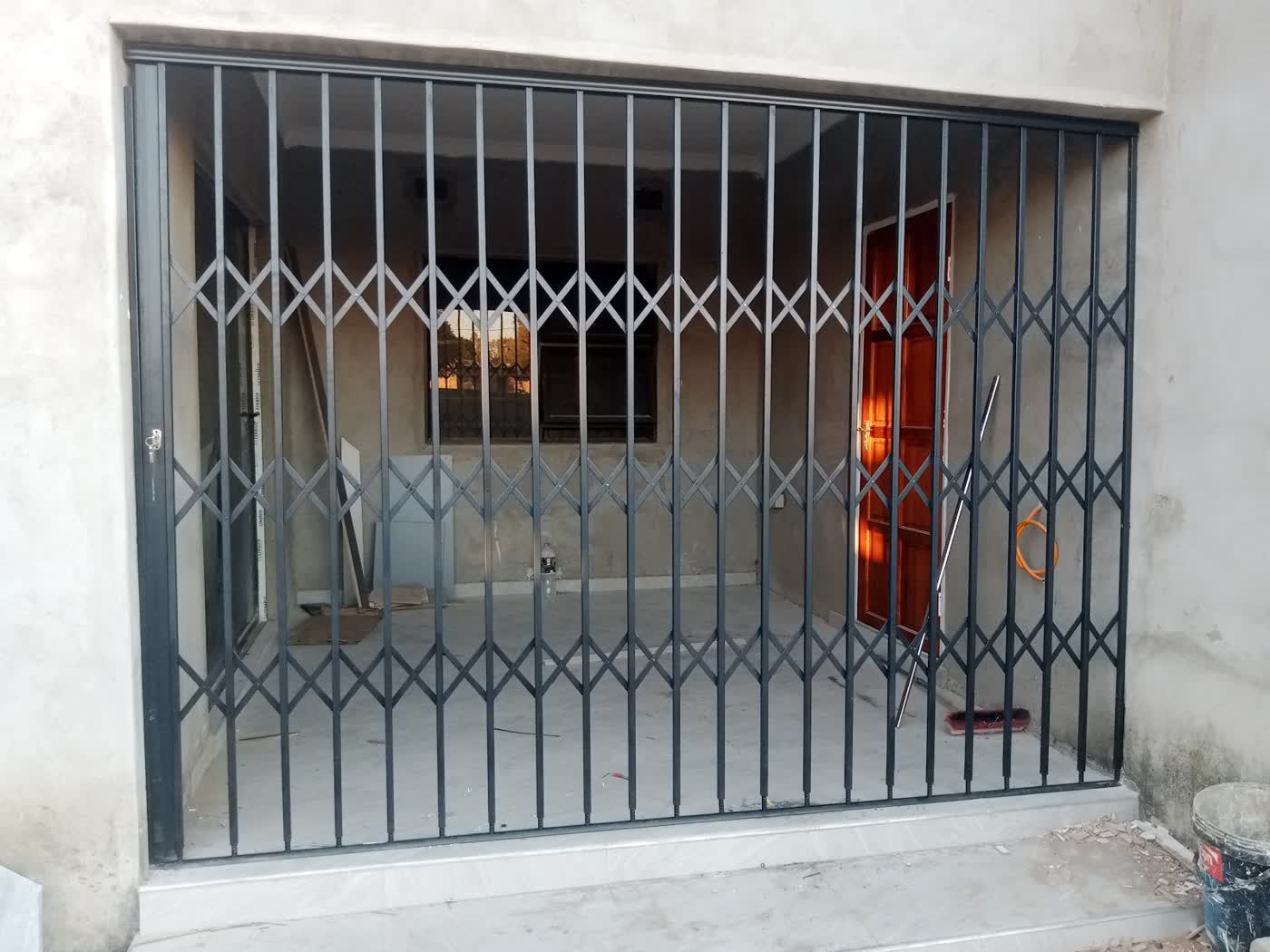
Steel is stronger and is often used with integrated burglar bars, which makes it a sensible choice for rental rooms, store rooms and back walls. Aluminium windows are secure when locked, but most homeowners add steel burglar bars or steel security gates (trellidors) on ground-floor openings. Our burglar bars vs trellidors guide explains the options and the importance of an emergency exit.
Looks and light
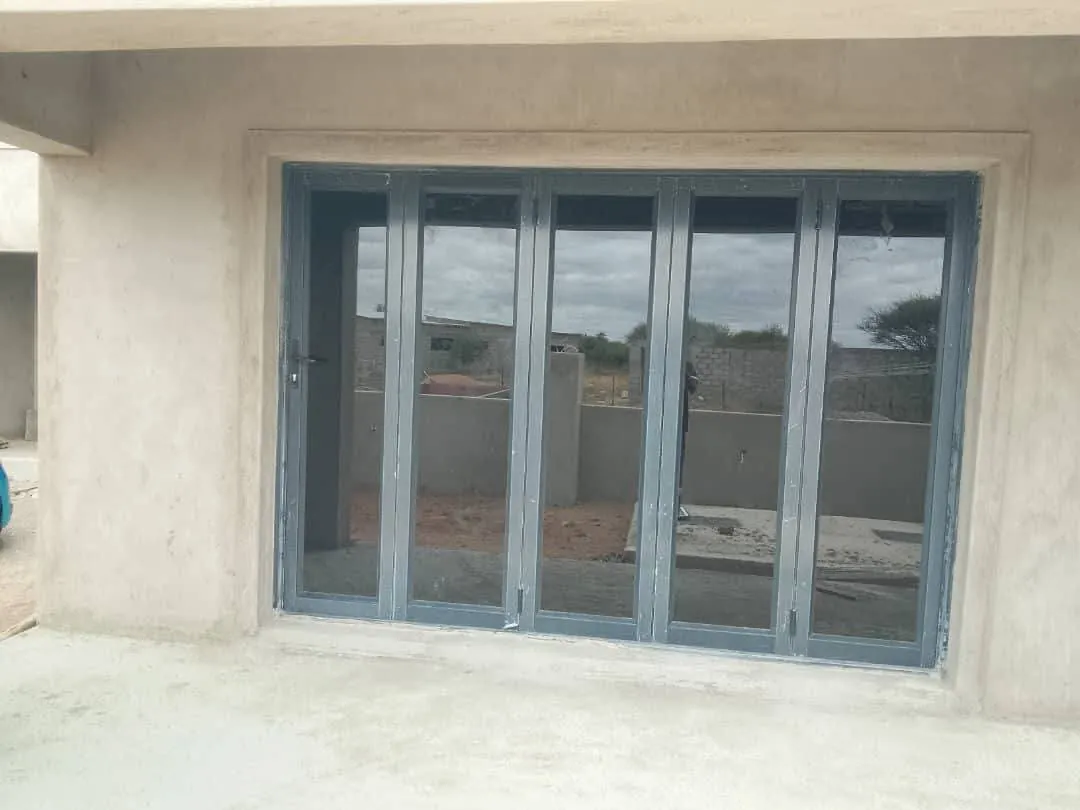
Aluminium allows slim frames, wide sliding panels and full-height aluminium doors such as bifold doors and patio sliders that open a living room to the yard (compare them in folding vs sliding doors). Steel suits a traditional or industrial look with smaller panes.
What drives the cost
We do not publish window prices in articles because every schedule is different. The main factors are:
- Size and number of openings, and how many open versus stay fixed.
- Type: sliding, side-hung, top-hung, fixed, bifold or stacking.
- Profile range and colour: heavier profiles and special colours cost more.
- Glass: clear, tinted, frosted, reflective, laminated or safety glass.
- Extras: burglar bars, security gates, fly screens and installation access (for example double-storey).
How to get an accurate window quote
- Send your house plan or window schedule if you have one. Otherwise, a list of openings with width and height.
- Say which windows should open and how (sliding or side-hung).
- Choose a frame colour and glass type, or ask us to suggest options.
- Tell us if you also need burglar bars or security gates, so they are measured together.
See our aluminium windows and doors in Botswana page for the systems we make, or go straight to aluminium windows or steel windows and steel window frames.
Building or renovating? WhatsApp +267 75 388 737 with your plan or window sizes. We reply within 4 business hours, and the site measure is free in Greater Gaborone.